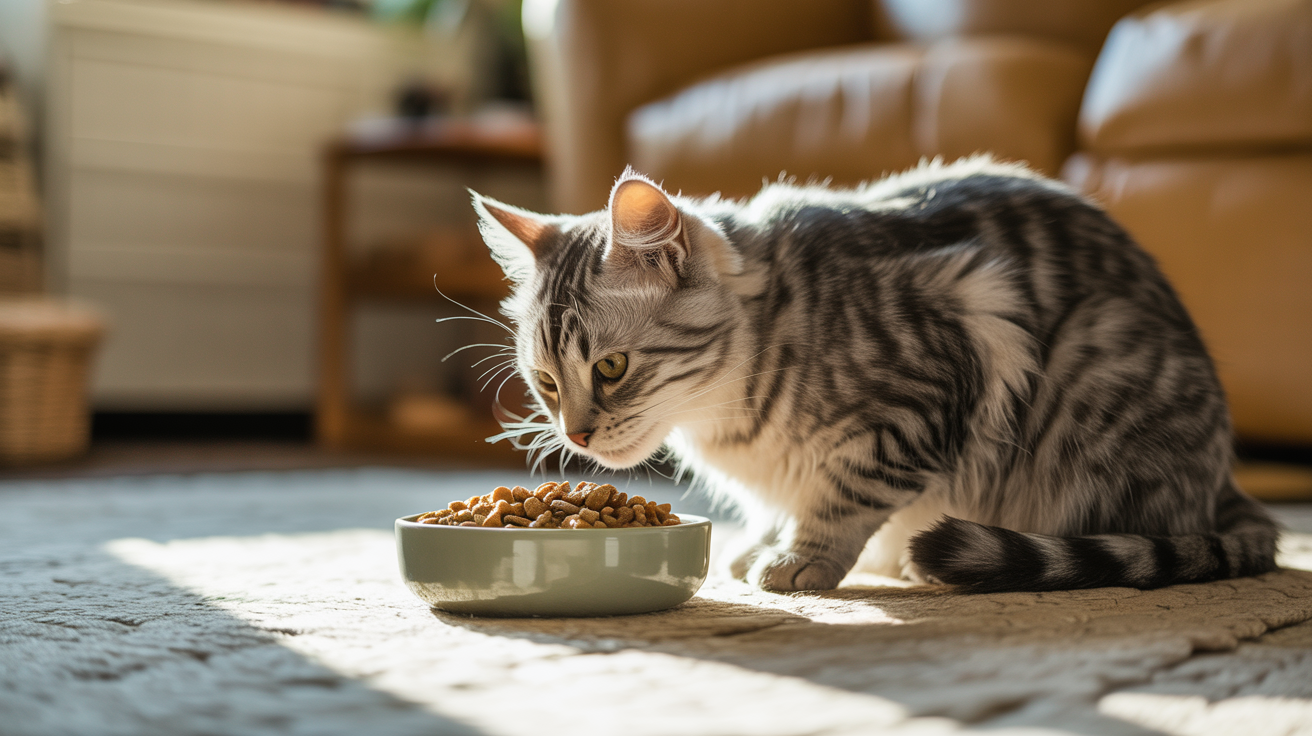
Understanding Cat Nutrition: A Complete Guide
Cats are obligate carnivores with unique nutritional needs. Understanding these requirements is essential for keeping your cat healthy and thriving.
What Makes Cats Different
Unlike dogs and humans, cats:
Require animal-based proteinsCannot produce certain amino acids like taurineNeed specific vitamins only found in animal tissueHave different carbohydrate processing abilitiesEssential Nutrients for Cats
Protein
Cats need high amounts of animal-based protein:
Should be the main ingredient in their foodSupports muscle maintenance and overall healthLook for named meat sources (chicken, fish, beef)Taurine
This amino acid is critical for:
Heart healthVisionReproductionImmune functionTaurine deficiency can cause serious health problems, so ensure it's included in your cat's food.
Fats
Essential fatty acids provide:
EnergyHealthy skin and coatAbsorption of fat-soluble vitaminsOmega-3 and omega-6 fatty acidsWater
Cats often don't drink enough water, so:
Wet food helps with hydrationProvide fresh water dailyConsider a water fountain to encourage drinkingWet Food vs. Dry Food
Wet Food Benefits:
Higher moisture contentMore protein, fewer carbohydratesOften more palatableHelps with weight managementDry Food Benefits:
More convenientBetter for dental healthMore economicalLonger shelf life**Best approach:** Combine both types for optimal nutrition and variety.
Reading Cat Food Labels
Look for:
**Named protein source** as the first ingredient (not "meat by-products")**AAFCO certification** for complete nutrition**Life stage appropriate** (kitten, adult, senior)**Minimal fillers** (corn, wheat, soy)**No artificial colors or flavors**Special Dietary Considerations
Kittens
Need higher protein and caloriesRequire more frequent feedingSpecial kitten formula until 1 year oldSenior Cats
May need lower caloriesEasier-to-digest proteinsJoint support supplementsWeight Management
Portion control is essentialHigh-protein, lower-fat formulasIncrease activity through playHealth Conditions
Kidney disease: Lower protein, phosphorusDiabetes: High protein, low carbUrinary issues: Special pH-balanced dietsFeeding Guidelines
1. **Follow package recommendations** but adjust based on your cat's needs
2. **Feed consistent meals** at the same times daily
3. **Monitor weight** and adjust portions accordingly
4. **Provide fresh water** always
5. **Limit treats** to 10% of daily calories
Foods to Avoid
Never feed cats:
ChocolateOnions and garlicGrapes and raisinsAlcoholCaffeineRaw eggs or fishBonesDog food (lacks essential nutrients)Signs of Good Nutrition
A well-fed cat will have:
Shiny, healthy coatGood energy levelsHealthy weight (can feel ribs but not see them)Bright eyesRegular bathroom habitsWhen to See a Vet
Consult your veterinarian if you notice:
Sudden weight loss or gainChanges in appetiteVomiting or diarrheaLethargyChanges in water consumptionConclusion
Proper nutrition is the foundation of your cat's health. By choosing high-quality food appropriate for their life stage and monitoring their health, you'll help ensure your feline friend lives a long, happy life. When in doubt, always consult with your veterinarian for personalized advice.